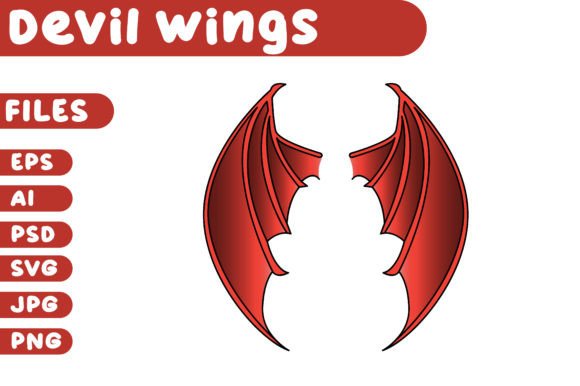
Devil Red Wings Flying Hell: The Bold Typeface for Fearless Branding
When you first encounter Devil Red Wings Flying Hell, you’re not just seeing a font—you’re meeting a personality. This isn’t the typeface you reach for when you want to blend in. It’s the one you choose when your project needs to land with impact, confidence, and a touch of rebellious energy. The visual style is unmistakable: sharp, angular letterforms with a sense of movement and intensity, as if each character is mid-flight. The “wings” in the name aren’t just metaphorical; you’ll notice subtle, aggressive serifs and terminals that give the letters a sense of velocity and edge. It’s a premium font that sits at the intersection of gothic inspiration and modern display typography—think of it as a creative font that doesn’t apologize for being loud.
The overall appeal of Devil Red Wings Flying Hell lies in its ability to convey power, urgency, and a certain dark sophistication. It’s not cartoonish or overly ornate, but it carries a graphic weight that commands attention. This makes it a standout display font for projects where the typography itself is part of the message. For designers, marketers, and content creators, this typeface offers a way to inject personality into a brand without resorting to clichés. It’s the kind of commercial font that works beautifully for titles, headers, and logos where you need the text to do more than just communicate words—you need it to evoke a reaction.
Where This Typeface Truly Shines: Practical Applications
Choosing the right typeface is about context, and Devil Red Wings Flying Hell has a clear sweet spot. It’s built for high-impact scenarios where readability at a distance or in short bursts is key. Think logo design for a gaming studio, a music festival poster, a craft beer label, or branding for an extreme sports brand. The font’s inherent energy makes it a natural fit for packaging design that needs to stand out on a crowded shelf, or for social media graphics that have to stop the scroll. It’s equally effective in editorial design for magazine covers or chapter headings in a dark fantasy novel.
For entrepreneurs and small business owners, this design asset can be a secret weapon for building a distinctive brand identity. If your brand voice is bold, unconventional, and a little edgy, Devil Red Wings Flying Hell can become the cornerstone of your visual language. It’s not the font for your body copy in a technical manual, but it’s perfect for the hero text on your website, the title of your YouTube channel, or the headline on a promotional poster. The key is to use it strategically—let it anchor your design with its presence, then balance it with a more neutral companion for supporting text.
Making It Work: Pairing, Readability, and Licensing
One of the most common questions with a display font as strong as this is: “What do I pair it with?” The answer lies in contrast. Because Devil Red Wings Flying Hell has such a pronounced character, it benefits from being set against a cleaner, more understated typeface. A simple, geometric sans serif font for body text can provide breathing room and ensure your message remains clear. Alternatively, a classic, elegant serif font can create an interesting tension between old-world refinement and modern aggression. The goal of font pairing is to create hierarchy and harmony, not competition. Test your combinations in context—see how they look together on a mock-up of a t-shirt, a business card, or a web banner.
Readability is another crucial consideration. As a creative font with a strong stylistic flair, it’s best used for short, impactful text. At large sizes, its details and personality are its strengths. At small sizes, especially in long paragraphs, its unique features can become visual noise, hindering comprehension. Always test your designs at the intended output size. If you’re using it for a paper product like a poster or a canvas print, make sure the letter spacing and kerning are adjusted so the text feels cohesive rather than cramped.
When you download Devil Red Wings Flying Hell, you’re getting a complete toolkit. The file folder typically includes multiple formats like Ai, Eps, Psd, Svg, Png, and Jpeg, making it incredibly versatile for different software and projects. This is especially valuable for crafters and hobbyists who might be working with cutting machines or digital design platforms. From a commercial standpoint, it’s vital to review the license included with your purchase. Most premium fonts come with a license that covers both personal and commercial use, but it’s your responsibility to understand the terms, especially if you’re using it for merchandise, client work, or large-scale distribution. Respecting the license protects you and supports the creators who develop these valuable resources.
Ultimately, Devil Red Wings Flying Hell is more than just a collection of glyphs; it’s a tool for storytelling. Its visual style is confident and memorable, making it an excellent choice for anyone looking to make a strong visual statement. Whether you’re a designer crafting a brand identity, a marketer creating a campaign, or a hobbyist designing custom merchandise, this font offers a distinct voice. Use it with intention, pair it thoughtfully, and it will elevate your work from ordinary to unforgettable. It’s a reminder that in the world of modern typography, the right typeface doesn’t just hold content—it amplifies it.